

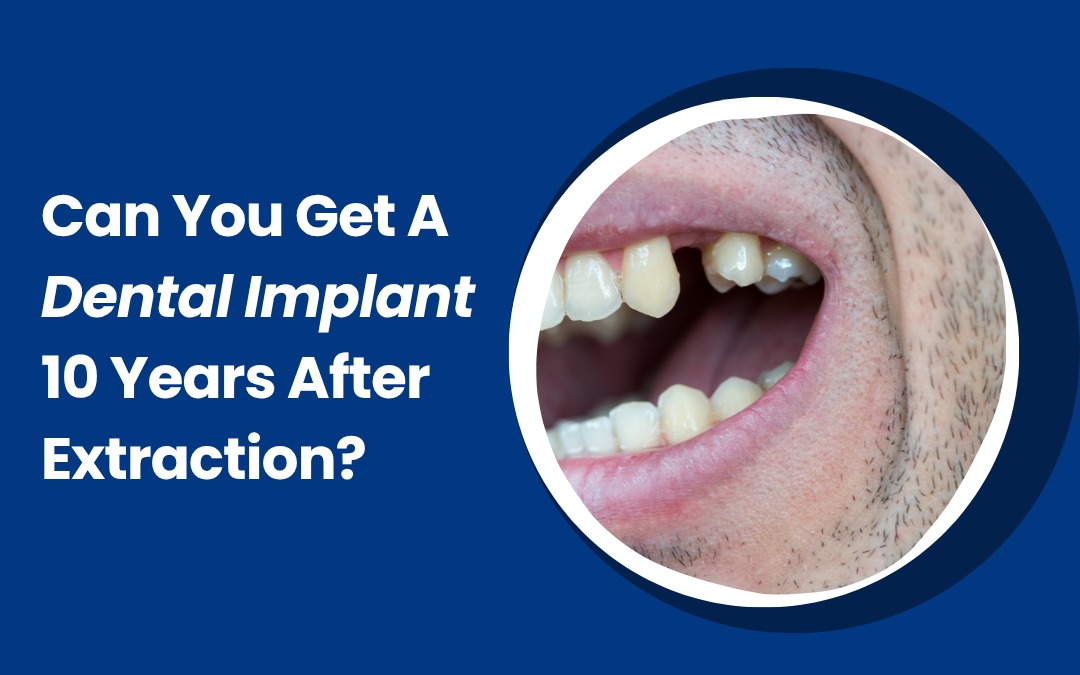
If you lost a tooth years ago and never replaced it, it may have crossed your mind, if you can still get an implant The good news is that, in most cases, the answer is yes.
Many patients successfully receive dental implants 10 to 20 years after tooth extraction. Modern implant dentistry has advanced significantly, allowing dentists to restore missing teeth even when considerable time has elapsed after the extraction.
However, since there are no specified timelines for getting a dental implant, the condition of the jawbone is very important. Over the years, the bone that once supported the tooth gradually shrinks because it no longer receives mechanical, biochemical and neural stimulation from the tooth root. This process, known as bone resorption, is the primary factor that determines whether additional procedures may be required before implant placement.
According to Dr. Amol Pradhan, Chief Dental surgeon at Dental Creations, Matunga, most patients who have lived with a missing tooth for years can consider dental implants.The key is to review the current condition of the bone and plan accordingly.
What Happens When a Tooth Is Missing for 10 Years?
Many people assume that a missing tooth is simply a cosmetic issue. In reality, the absence of a tooth can trigger several changes within the mouth over time.
Some of the prominent changes that occur are:
Progressive Bone Loss
The jawbone relies on stimulation from the tooth roots to maintain its strength and density. Once a tooth is extracted, this stimulation ceases , causing the bone to gradually shrink.
Research suggests that significant bone loss occurs during the first year after extraction, with the process continuing slowly over the next few years. After a decade, the bone in the affected area may shrink considerably and becomes less dense than it was originally.
Shifting of Adjacent Teeth
Teeth naturally tend to move toward empty spaces. When a tooth is missing for many years, neighbouring teeth may tilt into the gap, while opposing teeth can begin to over-erupt. These movements can alter your bite and complicate future restorative treatment.
Changes in Facial Appearance
Long-term bone loss can affect facial support, particularly in cases involving multiple missing teeth. Some patients notice a sunken appearance around the cheeks or mouth due to reduced bone volume.
Gum Tissue Changes
As bone diminishes, the surrounding gum tissue also changes. This may influence the final aesthetics of an implant restoration and occasionally requires additional soft tissue management.
Lost a Tooth Years Ago?
Don’t assume you’ve missed your chance for a permanent replacement. A professional assessment can reveal whether a dental implant is still a suitable option for you.
Are You Still a Candidate for a Dental Implant?
Being without a tooth for 10 years does not necessarily disqualify you as a candidate.
You could still consider implants if:
- Your gums are healthy
- You consistently maintain good oral hygiene
- Any medical conditions such as diabetes or hypertension are under
- You have sufficient bone volume and density or are willing to undergo bone grafting if required
- You are looking at a long-term replacement for a missing tooth
The only reliable way to determine eligibility is through a comprehensive examination and a 3D CBCT scan. This imaging technology provides a detailed view of the jawbone and allows precise treatment planning.
What If There Isn’t Enough Bone?
One of the most common concerns among patients who have been missing a tooth for many years is bone loss.
Fortunately, modern dentistry offers various effective solutions.
Bone Grafting
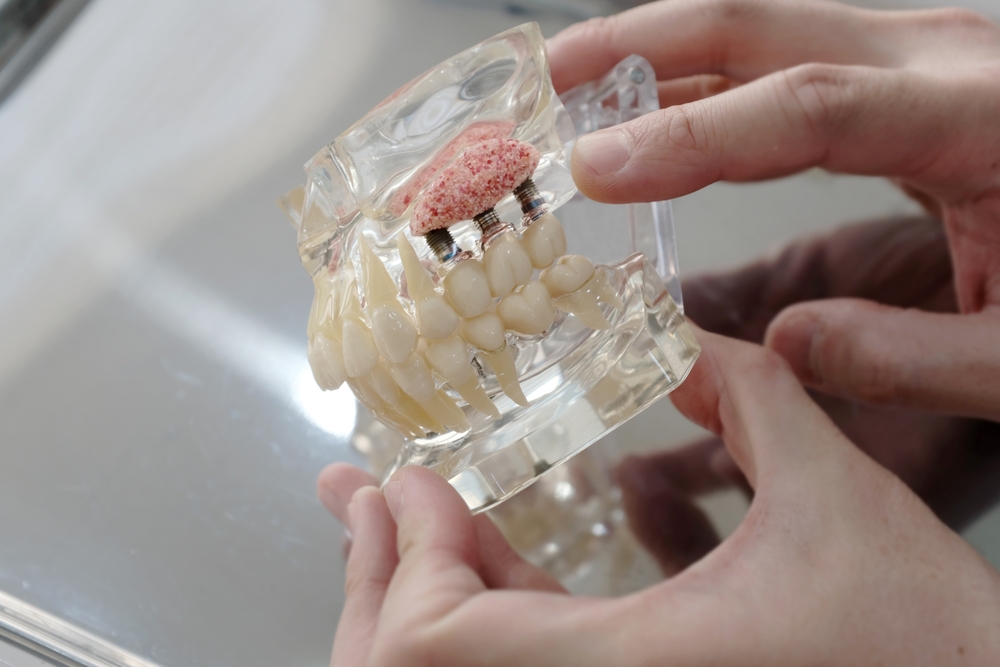
Bone grafting is a procedure used to rebuild areas where bone density has been compromised. The graft acts as a scaffold that encourages new bone formation and creates a stable foundation for the implant.
Sinus Lift Procedures
For upper back teeth, the sinus cavity may expand into the empty tooth space over time. A sinus lift procedure gently raises the sinus membrane and creates room for additional bone before implant placement.
Not every patient requires these procedures. Some individuals maintain sufficient bone volume and density even after many years. A CBCT scan is essential to determine the best course of action.
A warm salt-water rinse two or three times a day may also help soothe the gums and keep the area clean while recovery continues.
Ready to Restore Your Smile?
Modern implant dentistry can often replace teeth that have been missing for years. The first step is understanding the condition of your jawbone and gums.
What Does the Implant Process Look Like?
1. Consultation and 3D Scan
The process begins with a detailed evaluation and CBCT scan. This allows the dentist to assess bone quality, identify any anatomical challenges, and create a personalised treatment plan.
2. Bone Preparation
If bone grafting or a sinus lift procedure is necessary, these procedures are completed first. Healing typically takes several months before implant placement can proceed.
3. Implant Placement
A titanium implant is surgically inserted into the jawbone under local anaesthesia. Most patients experience minimal discomfort and return to their normal routine within a day or two.
4. Healing and Integration
Over the next few months, the implant integrates naturally with the surrounding bone through a process called osseointegration.
5. Crown Placement
Once healing is complete, a custom-made dental crown is fixed to the implant, restoring both appearance and function.
Dental Implant vs Bridge vs Denture
Patients often ask whether an implant is the best option after years of tooth loss.
| Feature | Dental Implant | Bridge | Denture |
| Longevity | 20+ years | 8–15 years | 5–10 years |
| Preserves Bone | Yes | No | No |
| Affects Adjacent Teeth | No | Yes | No |
| Natural Feel | Excellent | Good | Moderate |
| Stability | Excellent | Good | Moderate |
Dental implants are generally considered the gold standard because they replace both the root and crown of the missing tooth while helping preserve bone structure.
Success Rates of Dental Implants After 10 Years
Dental implants have one of the highest success rates in modern dentistry.
Studies consistently report long-term success rates of approximately 95% or higher in healthy patients with good oral hygiene.
Even when bone grafting is required, success rates remain extremely favourable when treatment is planned correctly and adequate healing time is allowed.
Factors that influence implant success include:
- Smoking habits
- Diabetes control
- Oral hygiene practices
- Bone quality
- Surgical planning and experience
With proper care, implants can remain functional for decades.
Precautions to take for Dental implants for long-term success
The longevity of a dental implant depends heavily on regular daily maintenance.
To protect your investment:
- Brush twice daily
- Use a water flosser
- Schedule professional dental cleanings every six months
- Avoid smoking
- Wear a night guard if you grind your teeth
- Report any swelling or discomfort promptly to your dentist
Dental implants cannot develop cavities, but the surrounding gums and bone still require proper care and maintainence
Conclusion
If you have been living with a missing tooth for 10 years, it is not too late to explore dental implant treatment. While additional preparation may sometimes be required, advances in implant dentistry allow many patients to successfully restore their smile, chewing function, and confidence years after extraction.
The first step is a professional evaluation and 3D bone assessment. With the right treatment plan, replacing a tooth that has been missing for years is often more achievable than patients expect.
FAQ
Can I get a dental implant 15 years after extraction?
Yes. There is no maximum time limit for implant placement. Bone density, rather than time, determines treatment options.
Is bone grafting always required after 10 years?
No. Some patients still have enough bone to support an implant directly. A CBCT scan will determine whether bone grafting is necessary.
Does a dental implant cost more after years of tooth loss?
The implant itself generally costs the same. Additional procedures such as bone grafting may increase the overall treatment cost.
How long do dental implants last?
With proper care and regular dental visits, dental implants can last 20 years or longer and often remain functional for a lifetime.
