

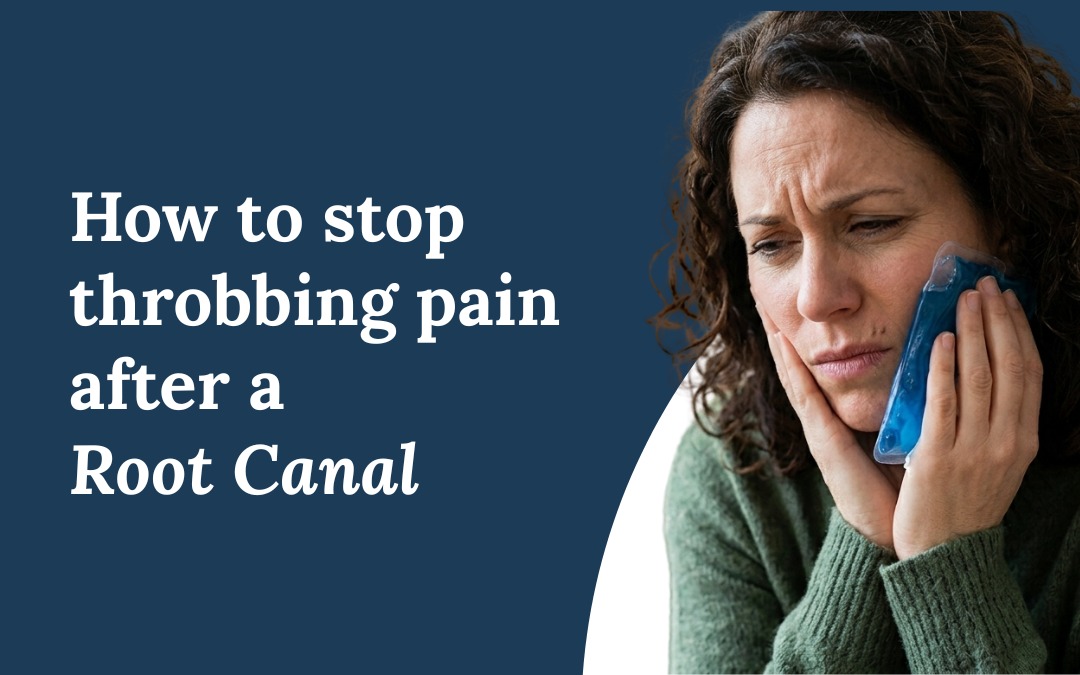
You expected relief after your root canal treatment, instead, you’re dealing with throbbing pain that makes eating, sleeping, and even resting uncomfortable. But naturally, the first thought most patients have is whether something has gone wrong.
The good news is that mild throbbing pain after a root canal is usually normal for the first few days. During the procedure, infected tissue is removed from inside the tooth, but the surrounding nerves, gums, and bone need time to settle. As the anaesthesia wears off, some tenderness or throbbing can occur temporarily.
However, pain that becomes more severe, causes swelling, or continues worsening after a few days should not be ignored. In this article, Dr Amol Pradhan from Dental Creations, a dental clinic in Matunga, explains why some patients experience throbbing pain after a root canal treatment, how to reduce it, and when you should contact your dentist.
Is Throbbing Pain After a Root Canal Treatment Normal?
In most cases, yes. Mild to moderate discomfort for the first 24 to 72 hours is considered a normal part of healing. The tissues around the treated tooth can remain inflamed for a short period after the infection is cleaned from the root canals.
What matters most is whether the pain gradually subsides. On the other hand, pain that worsens after two or three days may indicate that the tooth needs to be reviewred by your dentist.
You should not ignore symptoms such as increasing swelling, fever, severe pain while biting, or pain that interrupts sleep even after taking medication.
“Soreness after a root canal is expected, but it should steadily improve,” says Dr. Amol Pradhan. “If the pain becomes worse instead of getting better after a few days, patients should contact their dentist rather than waiting any longer.”
Still Worried About Your Root Canal Pain?
If your pain is becoming worse instead of getting better, book a dental appointment before the infection progresses further. Early treatment initiation usually prevents complications later.
What are the causes of throbbing pain after root canal treatment?
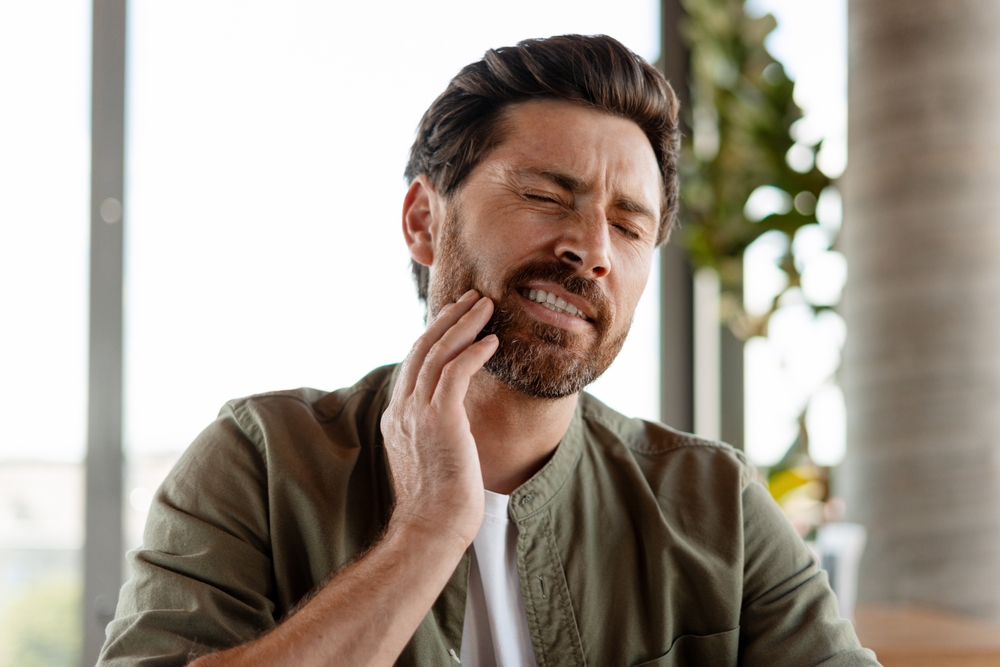
One of the most common reasons for throbbing pain is post-treatment inflammation. Even after a successful root canal, the tissues around the root tip can remain irritated for a few days, similar to soreness after any medical procedure.
In some patients, the infection inside the tooth was already quite severe before treatment was started. Teeth with deeper infections or abscesses naturally take longer to heal, which means discomfort may continue for several days after the procedure.
Another very common reason is a temporary filling that sits slightly higher than the surrounding teeth. Even a pinpoint high point can place excess pressure on the tooth every time you bite, leading to continuous throbbing pain. Fortunately, this can be corrected with a simple bite adjustment at the clinic.
Occasionally,pain persists due to residual infection or irritation around the root tip. If this happens, your dentist may recommend medication or a follow-up procedure after examining the tooth and taking an X-ray.
How to Stop Throbbing Pain After a Root Canal
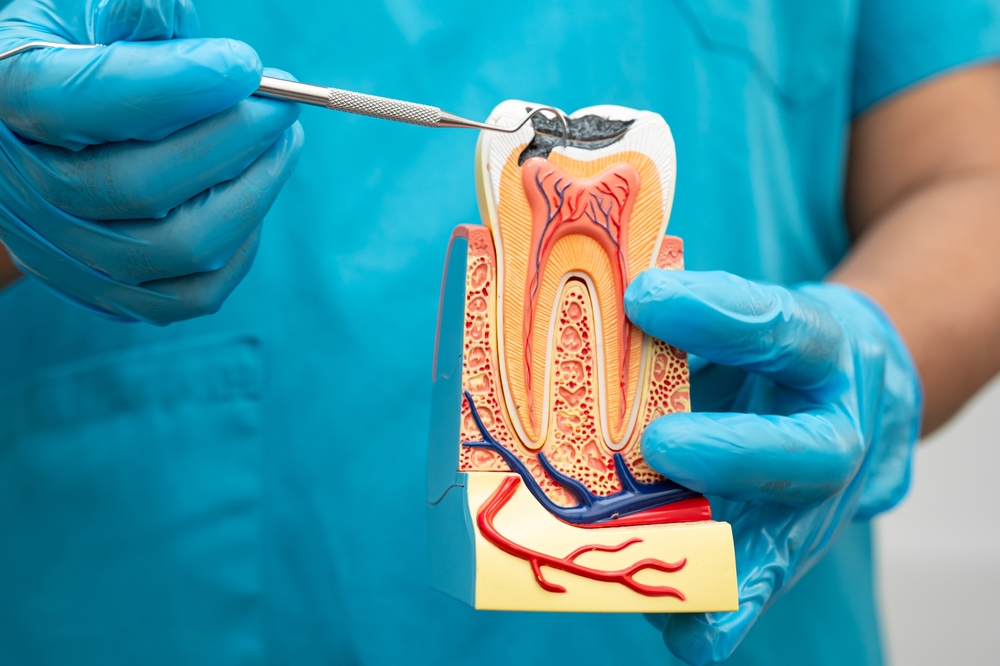
The first step is controlling inflammation. Anti-inflammatory medication can help reduce both swelling and pain during the initial healing phase. Taking your medication on time during the first couple of days usually works better than waiting until the pain becomes severe.
Applying a cold compress to the cheek on the treated side can also provide relief. It helps reduce swelling and temporarily numbs the area, especially during the first 24 hours.
Many patients notice that the throbbing becomes worse at night. This happens because lying flat increases pressure around the treated tooth. Sleeping with an extra pillow to keep your head elevated often helps reduce nighttime discomfort.
It is also important to avoid chewing on the treated side for a few days. Soft foods place less pressure on the tooth and allow the surrounding tissues to heal comfortably. Smoking, alcohol consumption, and very hot foods should also be avoided temporarily because they can irritate the area and slow healing.
A warm salt-water rinse two or three times a day may also help soothe the gums and keep the area clean while recovery continues.
Pain After a Root Canal treatment Not Settling?
Persistent pain after a root canal treatment should not be ignored. A simple bite adjustment or follow up appointment can often solve the problem quickly.
How Long Does Root Canal Pain Usually Last?
Most patients notice significant improvement within 48 hours of the procedure. In teeth that had severe infection before treatment, soreness may continue for up to five to seven days.
The important thing is progression. Even if the tooth is still uncomfortable, it should slowly feel better each day. Persistent or worsening pain is a sign that the tooth needs further evaluation.
When Should You Call Your Dentist?
While mild soreness is expected, some symptoms should never be ignored. If swelling is increasing instead of reducing, or if you develop fever, pus discharge, or difficulty in swallowing, you should contact your dentist immediately.
Pain that does not improve at all after 72 hours also calls for professional evaluation. In many cases, the solution is simple, such as adjusting the bite or treating a small area of lingering infection before it worsens.
If your temporary filling falls out after the root canal, you should visit your dentist as soon as possible to prevent the tooth from becoming contaminated again.
FAQ
Is throbbing pain after a root canal normal?
Yes, mild throbbing for the first few days is common. The pain should gradually improve as the surrounding tissues heal.
How long does pain last after a root canal?
Most patients feel significantly better within two to three days, although severe infections can take up to a week to settle completely.
What helps root canal pain at night?
Keeping your head elevated, taking medication on time, and using a cold compress before sleeping can help reduce nighttime throbbing.
Can I take antibiotics for root canal pain on my own?
No. Antibiotics should only be taken if prescribed by your dentist after evaluating whether infection is present.
What happens if the temporary filling falls out?
You should contact your dentist as soon as possible because the treated tooth can become contaminated again if left exposed.
